
A New Addition to the Food Pyramid?
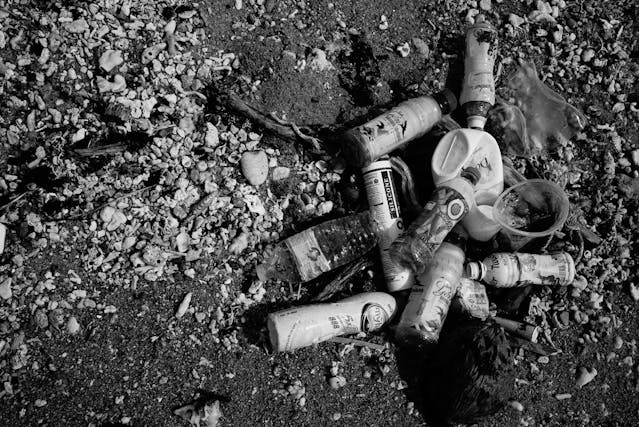
It is a well-known fact that tons of colorful, buoyant plastic garbage are swimming in our oceans, but now tiny, microscopic shards of plastic, aka microplastics, have been found floating in our blood. It is common knowledge that the standard American diet is abysmal, and now this only adds insult to injury. How do we protect our environment from the deluge of plastics that have accumulated over the decades, and safeguard ourselves from the damaging physical effects of these destructive synthetic bits?
Microplastics are the residue from the debris of larger plastics as they degrade slowly, very slowly, over time, which means underneath this oceanic profusion of plastic potpourri is a murky mass not just below the surface, but reaching to the deepest layers of the ocean. Unfortunately, that is not their only place of residence. Microplastics are also found in personal care products, such as toothpaste and exfoliating creams, vehicle tires, and synthetic fabrics. They are in our air, soil, and water. The plastics rain from the heavens, watersheds sift soil into the rivers, and rivers flow into the sea. Ocean creatures eat these microscopic plastic particles, and we, blissfully unaware, enjoy our grilled sea bass and garlic butter shrimp with nary a care. Now the cycle is complete. These plastics we created, purchased in abundance, and thoughtlessly discarded, have come right back to the point of origin.
Research on the potential harmful effects on humans is in the earliest stages, but studies of marine life confirm that microplastics disrupt reproductive cycles, decrease appetite, stunt growth, cause tissue inflammation, and contribute to liver damage. Just a few minor problems, right?
Obviously, this overwhelming dilemma cannot be quickly and easily remedied, but there are small steps we can take as individuals to bring about positive changes.
- Invest in a reuseable stainless steel or glass water bottle.
- Avoid cling wrap, plastic storage (resealable bags or containers), and plastic cutting boards.
- Avoid plastic straws, cutlery, dishware, and plastic bags.
- Take reuseable bags when shopping.
- Cook homemade meals rather than boxed microwave foods. It’s a healthier diet choice as well.
- Wear natural fabrics such as cotton and wool when possible.
- Laundry tips: Wash with a full load, use cold water, use less detergent, and use an old-fashioned clothesline when the sun is out. Dryers cause fabric shedding which is full of microplastics.
- Volunteer to clean up community parks, riverbanks, and beaches.
- Monitor and vote for legislation that supports a clean environment.
Change does not happen overnight, but with persistence and determination our world will become a safer and healthier place to live.
“Live your beliefs and you can turn the world around. “
Henry David Thoreau
 Essential Gut Health