
Organic versus non-organic? Is one really healthier than the other, or is it just one more marketing scheme to allow organic farmers to charge more for produce and guilt trip the consumer to spend more without reaping any additional benefits?
Let’s examine what we know about organic foods. The overall goal of organic farming is designed to improve soil and water quality, avoid the use of pesticides and herbicides, eliminate GMOs, and provide a more natural environment for livestock which in turn reduces the use of antibiotics and growth hormones. Be aware, some pesticides are allowed while growing organic produce, but they are regulated according to quality and quantity. The pesticides must be of natural origin and mainly derived from plants. Very little of the produce we eat today is completely free of chemicals.
Proponents of organic produce state these foods are higher in nutritional value. Some studies report organically grown produce has higher levels of certain vitamins and an increase in antioxidants, and free-range livestock produce meat with higher levels of omega-3 fatty acids. However, several other studies found no significant differences. It is important to remember that the nutritional value of food is impacted by many things and can differ according to soil quality, weather conditions, animal genetics, and the type of farm on which the animal was raised, just to name a few. Needless to say, there are many variables that affect the nutritional quality of the food we eat. In addition, there are several studies that suggest organic foods may actually benefit human health, such as decreasing the incidence of asthma in children or decreasing the rates of cancer, but more research is needed to confirm that eating organic actually provides health benefits in terms of preventing disease.
Science is not conclusive on the existing or long-standing health benefits of organic foods. But we know that our farm animals have less infections and diseases which means fewer antibiotics, and pesticide rates are lower in organic crops, and carbon emissions are reduced through regenerative farming practices. Those are definitely beneficial results. At this point in time, more research is needed to fully understand the long-term effects of chemicals in our food.
How do we know if a product is truly organic? Labels can be misleading. Free-range, non-GMO, hormone-free, natural, and rBST-free are all labels that can lead the consumer to believe the product is organic, when in fact it is not. These are just some of the criteria that are required of organic foods, but to receive a USDA seal of approval, they must meet national standards, which means they are inspected and certified by the USDA. Contrary to popular belief, organic and natural are not the same thing. If a product states it is natural, it means there are no artificial colors, flavors, or preservatives. It is not by default organic.
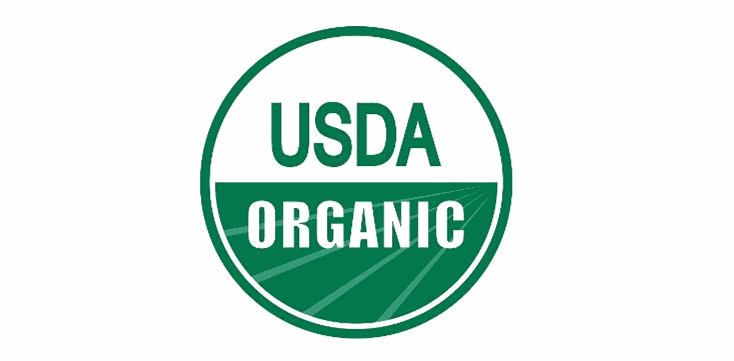
To receive an organic label, a product must meet specific criteria. If a product or food is at least 95% organic, it will have a green and white USDA seal. A product may state that it was “made with organic” ingredients if at least 70% of the ingredients are organic, but it will not have a USDA seal. The organic ingredients should be listed on the label.
Organic labels are not just for produce, they are also found on prepared foods such as frozen pizza, and packaged meals such as Hamburger Helper. Remember, organic processed food is still processed food, which means it is high in fat, sugar, salt, and calories. Studies show that ultra-processed foods, such as frozen meals, deli meats, and breakfast cereals, contribute to obesity, heart disease, gastrointestinal disorders, diabetes, and depression.
So is organic the ultimate panacea? No. Sometimes it is nothing more than a marketing ploy. The important rule of thumb is to eat real food. Dine on foods that grow in the ground or are picked from a tree. Focus on plants and cut back on meat intake. Avoid food from a box and meals packaged and frozen for months before arriving in your grocery’s freezer.
Bottom line: Eat fresh. Eating fresh produce and making your own meals is more important, regardless of that green and white label. We will all be healthier in the long run and the environment will thrive.
References
https://www.healthline.com/nutrition/organic-bananas#which-type-is-best
 Essential Gut Health