
Microplastics:  

A New Addition to the Food Pyramid? 

It is a well-known fact that tons of colorful, buoyant plastic garbage are swimming in our oceans, but now tiny, microscopic shards of plastic, aka microplastics, have been found floating in our blood. It is common knowledge that the standard American diet is abysmal, and now this only adds insult to injury. How do we protect our environment from the deluge of plastics that have accumulated over the decades, and safeguard ourselves from the damaging physical effects of these destructive synthetic bits?       

Microplastics are the residue from the debris of larger plastics as they degrade slowly, very slowly, over time, which means underneath this oceanic profusion of plastic potpourri is a murky mass not just below the surface, but reaching to the deepest layers of the ocean. Unfortunately, that is not their only place of residence. Microplastics are also found in personal care products, such as toothpaste and exfoliating creams, vehicle tires, and synthetic fabrics. They are in our air, soil, and water.  The plastics rain from the heavens, watersheds sift soil into the rivers, and rivers flow into the sea. Ocean creatures eat these microscopic plastic particles, and we, blissfully unaware, enjoy our grilled sea bass and garlic butter shrimp with nary a care. Now the cycle is complete. These plastics we created, purchased in abundance, and thoughtlessly discarded, have come right back to the point of origin.  

Research on the potential harmful effects on humans is in the earliest stages, but studies of marine life confirm that microplastics disrupt reproductive cycles, decrease appetite, stunt growth, cause tissue inflammation, and contribute to liver damage. Just a few minor problems, right? 

Obviously, this overwhelming dilemma cannot be quickly and easily remedied, but there are small steps we can take as individuals to bring about positive changes. 

  • Invest in a reuseable stainless steel or glass water bottle. 
  • Avoid cling wrap, plastic storage (resealable bags or containers), and plastic cutting boards. 
  • Avoid plastic straws, cutlery, dishware, and plastic bags.  
  • Take reuseable bags when shopping. 
  • Cook homemade meals rather than boxed microwave foods. It’s a healthier diet choice as well.
    • Wear natural fabrics such as cotton and wool when possible. 
    • Laundry tips: Wash with a full load, use cold water, use less detergent, and use an old-fashioned clothesline when the sun is out. Dryers cause fabric shedding which is full of microplastics. 
    • Volunteer to clean up community parks, riverbanks, and beaches. 
    • Monitor and vote for legislation that supports a clean environment.  

    Change does not happen overnight, but with persistence and determination our world will become a safer and healthier place to live.  

    Transform The Trauma

    Does your rage sometimes cause you to fight for air? Does your shame lead you into a dark abyss of loneliness and disconnection? Is your pain so pervasive and palpable that even a torrent of tears brings no relief? Does overwhelming despair bring you to your knees? You are not alone. The miracle, majesty, and mystery of life can likewise bring overwhelming misery. 

     Unfortunately, trauma past or present, shapes our current reality in very negative ways. It colors our perceptions, influences our motivations and actions, subjectively manipulates our emotions, impacts our relationships, and defines who we believe ourselves to be. Trauma is a thief, a stealthy intruder who ransacks the dreams we hold so dear, steals our hopeful innocence, shatters the windows into our soul and leaves only fear behind where there once was courage and confidence. All of us will experience these overwhelming emotions at some time in our lives, and the restorative passage from pain, regret, and fear to surrender, peace, and freedom is a long and arduous one. Renewing your soul is the most painful and demanding journey you will ever experience, and admittedly, healing is an inside job as Carolyn Myss states in her book, Intimate Conversations with the Divine. It is a very personal journey.  Certainly, others can help support you along the way, but the pilgrimage is for the most part a rigorous and solitary quest.     

    Why is soul healing such a singular endeavor?  Think of it this way. The pain only lives inside you. Absolutely no one else understands your sorrow as you do. There may have been an event or person that wounded you, that initiated that distress, but that is in the past. You are now the source of your pain. The pain lives on as the voice in your head that berates, condemns, ridicules, criticizes, and questions your capabilities, but the healing balm that brings emotional comfort and inner peace resides in your soul. Tapping into the healing energy is critical, but it can also be painful, because it requires you to take a deep and exhaustive look inside yourself, not the you that you show to others, but the confused, frightened, and disheveled you that prefers to stay hidden.  Unfortunately, that lengthy and honest self-examination is necessary for your healing journey. There is no medication, no diagnostic treatment, no surgical intervention that can heal your emotional wounds. You alone are the mystical shaman that can surrender your ego to the forces of light. It is the ego that holds onto shame, rejection, humiliation, grief, anger. Those are the thoughts and emotions that poison your body, mind, and spirit. You must confront the darkest parts of yourself, and that takes great courage. Indeed, it is necessary to forgive yourself before you can forgive the ones who have hurt you.  

    Healing is a journey, and it does not happen overnight, and everyone’s journey will look different. First and foremost, practice self-care. Eat a healthy diet, establish routine sleeping habits, engage in daily exercise, journal, and connect with others. Watch Joe Dispenza’s Rewired on Gaia TV for some amazing and insightful brain healing science. A professional therapist or a support group might be a helpful resource to help you identify and focus on the source of your feelings.  

    All these things can be helpful, but ultimately, healing is found in silence. Retreating from the distractions of our worldly existence, calming the chatter and noise in the mind, going within to the source of calm and inspiration, and surrendering the need to know and the need to control.  In the words of Sri Sri Ravi Shankar, founder of Art of Living, 

    Healing does not mean you will never again endure the desperation of darkness, pain, or fear. They are an inescapable part of life’s journey, but you will again experience happiness, joy, hope, and contentment, because it is your divine right, regardless of your pride, your mistakes, or your failures. Love is your very existence, and the Light will always guide you to the Truth.  

    Meditation is the journey from movement to stillness, from sound to silence 

    Dr Joe’s Blog 

    Are Collard Greens the Key to Happiness?

    While perusing the internet the other day, I came across a new term – Nutritional Psychiatry. Does this mean eating your way to peace of mind instead of using drugs? That is exactly what it means. Nutritional psychiatry is the prevention and treatment of mental health disorders using dietary modifications.  Therefore, I can assume that the foods I eat can make me merry or melancholy, cross or calm, rapturous or wretched? That is correct! There are numerous research studies that demonstrate a significant correlation between our diet, our gut microbes, and how both impact certain mental health disorders, including depression and anxiety, and the incidence of behavioral disorders such as autism and attention deficit (ADHD). We know that people with clinical depression have disruptions in their microbiome as compared to those who are not depressed. Autistic children also have changes within their gut microbes that are not present in children who are not diagnosed with autism. Both groups have a higher incidence of bacterial strains that promote inflammation in the body.  

    Research has shown that adhering to a Mediterranean style diet, which focuses on vegetables, fruits, nuts, and whole grains with moderate amounts of dairy, poultry, and fish, and very little red meat, not only improve our physical health by reducing the risk of heart disease, diabetes, stroke, and cancer, but it also affects our mood and our behavior. Clinical studies have shown that a predominantly plant-based diet decreases symptoms of depression and anxiety in people diagnosed with clinical depression. Some of the research participants no longer needed the antidepressants at the end of the study.  Behavioral improvements have been demonstrated in children with autism and ADHD.  

    On the flip side, our highly processed diet of convenience has almost no health benefits. We are consuming calories, but not nutrients, and the excess of salt, sugar, fat, and artificial additives in our highly processed diet is creating inflammation throughout our bodies. This constant inflammatory state is believed to be the cause of disease in our brain as well as every other organ in our body.  

    That is not to say that eating a healthy diet will guarantee that you are never diagnosed with an illness. There are many factors that contribute to a person’s health and well-being, but because our manufactured diet is so devoid of essential minerals, vitamins, and fiber, we are fundamentally malnourished, and as Hippocrates said, “All disease begins in the gut”.  We are paying a phenomenally high price for our unimaginative, on the go diet.  

    Diabetes, heart disease, cancer, high blood pressure, obesity, and auto-immune disorders are rampant. Almost 45 million Americans take antidepressants. Anxiety, depression, and behavioral disorders are the leading cause of illness among teenagers. Rates of suicide are increasing, and it is the second leading cause of death affecting teenagers and young adults. These conditions are difficult to control despite our expensive pharmaceuticals, so there is obviously an underlying cause that needs to be addressed. Granted, there are many factors in our unpredictable, indifferent, technology driven society that contribute to our physical and mental health, but the starting point should focus on feeding our body and our mind to increase our immunity and nurture a resilient mind. 

    So, what is the answer? A diet rich in vegetables, fruits, whole grains, nuts, and seeds to build a robust, diverse microbial network in your gastrointestinal system.  Also, limit the amount of dairy, saturated fat, and red meat, which promotes inflammatory strains of microbes in our gut. The following are great brain foods: 

    That’s just a starter list, but if that is too complicated, just remember to eat real food. Food grown in the ground, provisions from the produce section, should be the focus of every grocery store visit. Eat healthy, the results are heavenly! 

    UHS Health Research 

    Food and mood: how do diet and nutrition affect mental wellbeing? – PMC 

    Do Diet and Nutrition Affect ADHD? Facts and Clinical Considerations 

    The Rise of Processed Foods in the United States 

    Just Do It!

    Do you grow faint at the thought of eating broccoli instead of chili cheese fries with your gourmet mushroom and Swiss burger? Do you experience horror when someone suggests you cut back on your six servings of coke zero per day? Are you caught up in the “eating healthy is too expensive” rhetoric?  

    Admit it! The thought of eating a healthy diet is just too overwhelming, so you don’t even take that first step. Do not despair. No one expects you to give up cookies, cupcakes, coke, chocolate croissants, and chili cheese fries all in a 24-hour period and never look back. I can assure you; your fears are completely unfounded. Everyone cheats, but the entire premise behind cheating on your diet means an occasional indiscretion, not a daily irresponsible glut fest! So you can still indulge occasionally and not feel one bit guilty. Maybe it’s time to stop putting your health on the back burner. You deserve better, and by that, I mean it’s time to treat yourself to a better life. Increased energy and stamina, improved clarity and comprehension, enhanced immunity, efficient digestion, and more restful sleep are just a few of the benefits of a wholesome diet.  What’s not to like, right? 

    The first step is to evaluate your present diet to determine where to start making changes. Write down everything you ate over a routine 2-day period – breakfast, lunch, dinner, and snacks. Did you eat 5-6 servings of fruits and veggies daily (French fries don’t count)? How much water did you drink? Did you have dessert after every meal? Focus on one aspect of your current diet that needs an adjustment. Start small. Decide the best strategy for your healthy journey and start there. Gradually add more healthful additions.  Small steps lead to big changes. 

    I have compiled some suggestions to help you stay on track with your nutrition goals. 

    1. Take charge!  Commit to at least one healthy meal per week and decide exactly what you will prepare. Pick your favorite healthy foods or try some unfamiliar foods with a brand-new recipe.  Maybe allocate one day a week as vegetarian day.  
    1. Hydrate! Focus on water, that colorless, flavorless liquid that is essential to human survival. Drink 6-8 glasses of water daily. It gives you energy, improves brain performance, makes you feel full so you eat less, and prevents constipation.  
    1. Plan!  Prepare your meals for the week, write out a grocery list, and stick to it. Stay away from the cookie aisle. If you have an intention, you’re more likely to stick to it and not be tempted to order take out on the way home.  
    1. Produce not processed! Food right out of the field is real food with lots of vitamins and minerals. It is less expensive than highly processed foods and definitely a healthier choice. You can also buy frozen fruits and vegetables. They tend to be less expensive than some of the fresh options and they last longer.  
    1. Convenience! If you are worried about the cost or trying to find only those foods that are locally in season, buy frozen. Sometimes they are less expensive in the long run because you get more for your money, and they last longer.  
    1. Reduce waste! When cooking, make more than you will need and store leftovers for the week. Taking leftovers to work eliminates the cost of eating out. Some leftovers can be frozen if you don’t want to eat them right away.  
    1. Keep it simple! Find easy recipes with common ingredients. Create your own unique stir fry with your favorite vegetables and spices. Dice veggies the night before or buy already chopped produce. Here’s one website to help you take that first step, Easy Healthy Dinner Ideas: 49 Low Effort and Healthy Dinner Recipes — Eatwell101 

    FAQ

    1. Are organic foods necessary for good health?

    No. The most important basis for a healthy diet is unprocessed food, which is food straight out of the ground and sold in the produce aisle of the grocery store. Organic is certainly a beneficial perk if it is affordable and a personal preference, but certainly not a necessity.

    This is a controversial question, and it is currently debated by scientists, environmentalists, and major health groups throughout the world. Interestingly, at present, 26 countries restrict or regulate the use of GMOs. The United States is not one of them. My recommendation is to avoid the ones containing Bt (Baccillus thuringiensis), which is a bacteria inserted into the plant genes of corn, cotton, canola, and soy plants. The oils from these plants are used in many processed foods which is another reason to avoid highly refined foods such a cereals, snacks, boxed meals and packaged breads. Many foods in the U.S. are labeled as non-GMO, and all organic foods are non-GMO, so look for these logos when shopping.

    Whole grain wheat is a nutritious addition to a hearty whole foods diet. Notice the key word is whole grain, not the over processed wheat of white bread and Ritz crackers. They have no nutritional benefits. A gluten-free diet is not by default a healthier option. In fact, most gluten-free baked goods bought in the grocery are lacking in nutrition and whole grains. White rice flour and potato starch are the primary ingredients. I would never recommend a gluten-free diet, unless you are sensitive to wheat or gluten. If you are gluten sensitive or celiac, making your own gluten-free baked goods is the best option, experimenting with alternative flours such as almond, coconut, or cassava flours, which have greater nutritional benefits.

    4. What is the best way to wash produce?

    • Be sure to start with clean hands and a sanitized sink.

    • Always rinse before slicing or peeling so as not to transfer bacteria from the knife into the produce.
    • Gently rub with your hands or a clean vegetable brush to remove dirt, germs, and residual pesticides, while rinsing under running water.
    • Do not use soap, bleach, or other commercial cleaners, including those designated as a produce or veggie wash.

    • The FDA and the Environmental Working Group state, rinsing with clean cool water is sufficient, but if you prefer an enhanced cleaning routine, baking soda is an option. Just add 1 tsp. baking soda to every 2 cups of cold water or 3-4 TBSP. for an entire sink full of water. Soak for 12-15 minutes and rinse in cool water. Dry with clean towels.

    No more than 3-4 days is the recommended time to store leftovers. When dealing with prepackaged food that has not been opened, utilize the Best Buy Date stamped on the container. Many packaged or canned foods recommend using within 7 days, once they have been opened. Additionally, food should not be left on the counter for more than 2 hours.

    Invariably, after every presentation, at least one person requests more information on this subject. There is an endless number of articles promoting specific vegetables or fruits for optimal brain health or vigorous heart health or gut healing, and they change from week to week depending on who is publishing the article. There is no specific food that is healthier than others. In fact, eating a wide variety of foods ensures that we are getting the nutrients needed for physical health and well-being. Eating fresh vegetables, fruits, nuts, beans, and whole grains, such as whole wheat, oats, and brown rice is the right food, the real food, the healthy food. Avoid ready-made foods such as boxed meals, breakfast cereals, frozen meals, deli meats, red meat, packaged bread products, dairy, and of course, concentrated sweets, such as candy, cookies, and cakes.

    Water is essential to life, and it is used in every cell of our body. It is recommended that we consume 6-12 glasses of water per day. More specifically, the National Institute of Health states that women need 9 glasses per day and men need 12 glasses per day.

    Organic – Is It the Only Way to Eat?

    Organic versus non-organic? Is one really healthier than the other, or is it just one more marketing scheme to allow organic farmers to charge more for produce and guilt trip the consumer to spend more without reaping any additional benefits?

    Let’s examine what we know about organic foods. The overall goal of organic farming is designed to improve soil and water quality, avoid the use of pesticides and herbicides, eliminate GMOs, and provide a more natural environment for livestock which in turn reduces the use of antibiotics and growth hormones. Be aware, some pesticides are allowed while growing organic produce, but they are regulated according to quality and quantity. The pesticides must be of natural origin and mainly derived from plants. Very little of the produce we eat today is completely free of chemicals.

    Proponents of organic produce state these foods are higher in nutritional value. Some studies report organically grown produce has higher levels of certain vitamins and an increase in antioxidants, and free-range livestock produce meat with higher levels of omega-3 fatty acids. However, several other studies found no significant differences. It is important to remember that the nutritional value of food is impacted by many things and can differ according to soil quality, weather conditions, animal genetics, and the type of farm on which the animal was raised, just to name a few. Needless to say, there are many variables that affect the nutritional quality of the food we eat. In addition, there are several studies that suggest organic foods may actually benefit human health, such as decreasing the incidence of asthma in children or decreasing the rates of cancer, but more research is needed to confirm that eating organic actually provides health benefits in terms of preventing disease.

    Science is not conclusive on the existing or long-standing health benefits of organic foods. But we know that our farm animals have less infections and diseases which means fewer antibiotics, and pesticide rates are lower in organic crops, and carbon emissions are reduced through regenerative farming practices. Those are definitely beneficial results. At this point in time, more research is needed to fully understand the long-term effects of chemicals in our food.

    How do we know if a product is truly organic? Labels can be misleading. Free-range, non-GMO, hormone-free, natural, and rBST-free are all labels that can lead the consumer to believe the product is organic, when in fact it is not. These are just some of the criteria that are required of organic foods, but to receive a USDA seal of approval, they must meet national standards, which means they are inspected and certified by the USDA.  Contrary to popular belief, organic and natural are not the same thing. If a product states it is natural, it means there are no artificial colors, flavors, or preservatives. It is not by default organic.

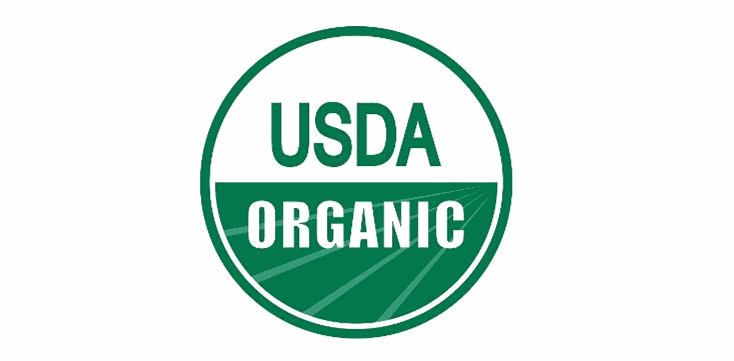
    To receive an organic label, a product must meet specific criteria. If a product or food is at least 95% organic, it will have a green and white USDA seal.  A product may state that it was “made with organic” ingredients if at least 70% of the ingredients are organic, but it will not have a USDA seal. The organic ingredients should be listed on the label.

    Organic labels are not just for produce, they are also found on prepared foods such as frozen pizza, and packaged meals such as Hamburger Helper. Remember, organic processed food is still processed food, which means it is high in fat, sugar, salt, and calories. Studies show that ultra-processed foods, such as frozen meals, deli meats, and breakfast cereals, contribute to obesity, heart disease, gastrointestinal disorders, diabetes, and depression.

    So is organic the ultimate panacea? No. Sometimes it is nothing more than a marketing ploy. The important rule of thumb is to eat real food. Dine on foods that grow in the ground or are picked from a tree. Focus on plants and cut back on meat intake.  Avoid food from a box and meals packaged and frozen for months before arriving in your grocery’s freezer.

    Bottom line: Eat fresh. Eating fresh produce and making your own meals is more important, regardless of that green and white label. We will all be healthier in the long run and the environment will thrive.

    References

    https://www.healthline.com/nutrition/organic-bananas#which-type-is-best

    https://www.mayoclinic.org/healthy-lifestyle/nutrition-and-healthy-eating/in-depth/organic-food/art-20043880

    Boldly Going Nowhere

    Boldly going nowhere. Just think about that sentence for a moment. No speeding down the interstate in the middle of a traffic nightmare to get to work on time. No rushing to get the kids to band practice on time. No relentless internet surfing to get on board with the next trendy fad that will bring beauty, riches, success, or the most heart clicks on Twitter. No more climbing the corporate ladder. Boldly going nowhere.

    What would that look like? Is it even a possibility in this competitive, technologically demanding, 24/7 society that we call home? What if time stood still? Even for just a week? What if you actually immersed yourself in the daily experience of being? Seeing everything with new eyes, as if it is your first time? So mindful of the present that you could actually remember the drive to work and what you had for breakfast?

    I had an amazing opportunity to do just that while surrounded by the verdant, flourishing foliage of the Mexican jungle. Needless to say, it was an immediate culture shock. First of all, the jungle sounds nothing like the city. The slow steady hum of traffic is nonexistent. The obnoxious sound of leaf blowers and lawn mowers is mercifully absent, the clanging cacophony of construction equipment does not exist, and not a single aerodynamic rumble of a jet airplane is to be found anywhere in the beautiful blue sky. Every day is calm, serene, restful, mellow, restorative, and inspirational, allowing me to collect myself and just breathe. How did I happen upon this amazing sanctuary? I attended a spiritual retreat with Bob Sima and Shannon Plummer, aptly named Boldly Going Nowhere, with the intention of being present in the now and the here. Nowhere.

    I, and my twenty other retreat mates, experienced a now moment in time while here in the ageless jungle intertwined in the immortal spiritual energy of the Ancient Mayans. This amazing retreat took place at the beautiful Hotel Oka’an, so close to Chichen Itza, you could see El Castillo in the distance. Completely surrounded by lush vegetation, beautiful turquoise skies, soft breezes, warm healing sunshine, a pool that looked as if it was a celestial creation from the energy of the jungle floor, bungalows with thatched roofs, a turtle inspired sweat lodge, and a relaxing spa, it was truly a spiritual sanctuary. We were even greeted by a statue of the corn god, the creator of humanity, according to Mayan legend.

    Through meaningful song and verse, challenging and illuminating discussions, soul searching revelations, shamanic healing, and the calm stillness of the mystical jungle we were challenged with the task of looking within to find divine purpose and direction, strength to endure the perpetual journey, courage to step out of the box and live a more authentic life, and a cosmic awareness of our connection to everything on our amazing planet. I think I speak for everyone when I say, we found precisely that and more.

    We explored the ancient Mayan ruins of Chichen Itza, purified our bodies and minds in a sweat lodge ceremony, swam in a sacred cenote of life giving water, learned new songs, made new friends, gained new perspectives, and found contentment in just being in the here and the now. Not regretting the past or fearing the future. We were able to just be. Right here, right now. The grace of the present moment is an invaluable gift.

    Nowhere. It’s the best place to be.

    https://wherethelightgetsin/us

    Our soul resides in the present moment, in the here and now. And it is capable of receiving insights and resolutions to obstacles that our minds could never conceive of.

    Carolyn Myss

    What’s Our Microbiome Got To Do With COVID? Everything!

    If there is anything the pandemic has taught us, other than the best strategies for hoarding toilet paper, it brought an awareness of our own vulnerability. We are not invincible. In fact, quite the opposite. Many people suffered serious complications and others succumbed to this new and deadly disease that took everyone by surprise.

    Research has shown that COVID elicits an extreme inflammatory response in some people referred to as a cytokine storm. When the immune system overreacts in this way, it can cause widespread damage to all parts of the body. It is this over reaction of the immune system that causes death in people with severe cases of COVID.

    Predictably, there has been extensive research to understand why the virus wreaks havoc in some people and others only have negligible symptoms. What have we learned? People who have existing chronic health conditions are overwhelmingly at risk for complications from COVID. Those who are obese, diabetic, or have existing heart or lung conditions, are most at risk for developing problems or a deadly outcome. These disorders are 4 of the most common chronic conditions in the US. What is the common denominator in these chronic diseases? Diet and lifestyle. Almost all chronic disease is related to poor diet and lack of exercise, and they can be prevented with a healthy diet and a less sedentary daily routine.

    So what does diet and lifestyle have to do with our gut microbiome? EVERYTHING! Our gut is located in the center of our body for a reason. Everything goes through the gut for processing before being sent to all the other organs of the body. In addition, 70% of our immunity is in our gut. What is the crucial component that maintains a healthy gut lining, digests our nutrients, fights incoming invaders (including COVID), activates our hormones and sends messages to our brain to process the continual flow of information that bombards us on a daily basis? The human microbiome. All those microscopic creatures residing in our gut.

    How do we nurture this precious symbiotic relationship that keeps us alive, functioning, and healthy?

    • Eat lots of fiber!

    Fruits and cruciferous veggies are the spice of life to all those little creatures living in our gut. Your fridge should always be stocked with the likes of apples, bananas, pineapples, berries, kale, cauliflower, asparagus, and broccoli, for starters.

    • Add fermented foods to your daily diet.

    Kimchi and sauerkraut are excellent prebiotic foods with live bacteria. Make sure to buy the sauerkraut from the refrigerated section to preserve the live bacteria. Yogurt is not the best choice for live bacteria because it has been pasteurized, and kombucha has added sugars, which means extra calories.

    • Eat real food.

    In other words, eat food that comes out of the ground or picked from a tree. The fresher the produce, the higher the nutrient levels. Avoid factory foods, because they are inundated with additives, aka chemicals and GMO’s.

    • Decrease meat and dairy consumption.

    Livestock are treated with antibiotics which can decrease the diversity of our microbiome. When you eat less meat and dairy there is more room for plants.

    • Cut back on sugar.

    Sugar feeds the bad gut bacteria and creates an unhealthy imbalance in our microbes. Switch to honey, but only in moderation. It is unprocessed and it doesn’t spike your blood sugar.

    • Hydrate, hydrate, hydrate!

    It keeps your skin and mucous membranes intact to fight off infections, and it flushes toxins out of your body. Drink at least half your body weight in ounces of water. If you weigh 150 pounds, drink 75 ounces of water.

    • Don’t be a sofa spud.

    Don’t be a mouse potato, either. Get moving and be active. Try a new exercise class, join a local sports team, take a hike, ride a bike, or just take a walk around the block, for crying out loud.

    • Unwind, relax, breathe easy!

    Do what you like. Hang out with people who make you feel good. Focus on your breath. Meditate. If something is not working, leave it behind and move on.

    • Remember your beauty sleep.

    You need 7 – 9 hours of sleep every night to look and feel your best and keep your immune system ready to fight off invaders.

    • Go hug trees.

    Enjoy nature. It calms your busy mind, lowers your blood pressure and heart rate, decreases anxiety, and increases feelings of well-being and happiness. Furthermore, sunlight provides essential Vitamin D, which plays a key role in boosting our immune system. Don’t forget – turn off that cell phone.

    This is just a brief overview of the Anti-Viral Gut Plan outlined in the latest book by gastroenterologist, Robynne Chutkan. For an in-depth guide to changing your life and changing your gut, read The Anti-Viral Gut. It may help you survive the next pandemic.

    Chutkan, Robynne. (2022). The Anti-Viral Gut: Tackling pathogens from the inside out. New York: Penguin Random House

    The Blessing of Choice

    I have choices.
    I live in a country that protects my freedom of choice. Freedom to choose my words, spoken
    and written. Freedom to choose my friends and acquaintances, freedom to choose my place of worship and my place of employment. I have the freedom to travel and explore without
    restrictions. I am allowed to vote for my choice of government leaders. When any of these
    inalienable rights are compromised, which unfortunately, is a deplorable but inevitable
    occurrence, I have the freedom to gather with others and ensure that my basic human rights and those of others are guaranteed. That is a blessing.


    I have choices.
    I have friends and family that support me in my choices. They accept me unconditionally and allow my sometimes-unconventional freedom of expression. Our differences of opinion are an opportunity to discuss new ideas, learn from each other, and grow mentally and spiritually. They also recognize a choice as a basic human right that should not be denied. Furthermore, the diversity of our beliefs and opinions, which are choices, only serve to enrich our relationships and strengthen our community. That is a blessing.


    I have choices.
    My mind is clear and focused. I am capable of making informed and competent decisions.
    Making personal lifestyle decisions related to work responsibilities, leisure activities, and family commitments is an opportunity and an asset so often overlooked. We fail to recognize the enormity of this benefit until we realize that as we age, we may one day be denied this opportunity, through no fault of our own. The mental capacity to make a choice is a blessing.


    The gift of a choice is a blessing indeed. It is grace in action. We sometimes overlook the dignity of this grace until we no longer have the mental capacity, the encouragement and support of those close to us, or the legal guarantees of basic human rights, to make those personal choices that influence our physical health, our financial wealth, and our mental stability. In fact, our ability to live abundant and productive lives is dependent upon choices. We make choices every day and many times we are blissfully unaware of the significance these decisions can make in our lives. Starting with the seemingly inconsequential choices of deciding what to prepare for dinner to the painful and sometimes agonizing choices of dealing with a family member crippled by an addiction, every choice is a blessing and an occasion for mindful connection. Be grateful for the opportunity to choose. These moments provide a chance for reflection, a chance to search one’s soul and discover the strength, resilience, compassion and divinity within each one of us.
    Every aspect of our lives is impacted by our choices. We don’t always have a choice in
    circumstances, but we decide how to respond to those difficult and painful events that are part of the human condition. Regardless of the situation before us, we should commit to being the voice of kindness, empathy, and respect for everyone involved, including ourselves. We must choose to be positive, and empower others with strength, honesty, and compassion. We must choose to resist all forms of negativity, tirelessly opposing deceit, oppression, and hatred.

    Ultimately, it is only about one choice, and that is love.

    Breathe

    In today’s world we are bombarded with distractions that alter our innate and intimate relationship with the universe. There is constant noise – a cacophony of sound that drowns out the soft whispers of nature. Sounds of engines from vehicles on the ground, in the air, and at sea. Sirens and alarms that are redundant and dismissible, and all manner of beeps, whirrs, buzzes, tinkles, and rings from our omnipresent devices. The odors of automobile exhaust, factory fumes, and greenhouse gases encourage us to keep all the windows and doors closed. City streets are clogged with all modes of transportation because no one walks anymore. Buildings block the sky, the sun, and the wind. Constant artificial lights disrupt our circadian rhythms and keep us from ever knowing the calming and restorative darkness. Concrete obstructs the flow of earth’s terrestrial energy. And let’s not forget the constant onslaught of media information from negative vitriol to fake news, needless and superficial advertisements, celebrity gossip, disturbing news clips, and a plethora of articles to help you improve your physical, mental, and emotional health. All of these constant disturbances are only obstructions that block our flow of energy, stifle our communication with others, and block our connection with mother earth.

    When do we sit quietly to listen to the sounds of birds? Or for that matter, how often are we somewhere that we can even hear a bird? When are we still enough to feel the air on our skin, hear the soft rustle of the wind in the trees, experience the stillness within us, just be in the present moment? We are constantly focusing on the demanding diversions of our whirlwind existence, full of regret for the past and fear for the future. There is no time left to even be aware of the present moment – to just BE. When all is quiet, we can concentrate on the natural rhythm of the breath and return to our inherent wholeness. Focusing on the breath of life is to experience the divine source, the divinity within. Realizing the full potential of this essential life affirming energy sustains us, calms us, and inspires us.

    My introduction to breathwork was through Sudarshan Kriya, and it was life-changing. The course is called the Happiness Program, and I was definitely happier upon completing the 3-day course. I was also more energetic and focused, and at the same time calmer, less anxious, and ready to deal with whatever obstacles life might throw in my path. The class helped me realize that my thoughts create my reality, and I began to work on keeping those negative thoughts at bay, which is not an easy task for me. Performing SKY daily is the secret, because consistency is the key to radical results.

    How does Sudarshan Kriya, more commonly referred to as SKY, work? It is a simple rhythmic breathing technique that harnesses the energy within the breath. SKY practice helps to harmonize body, mind, and spirit, and acts as a bridge for effortless meditation.  Breathwork is one of the best and least expensive forms of self-care. Scientific studies have demonstrated that SKY breath and meditation lower levels of stress, anxiety, and anger, while increasing mental alertness. Participants have also reported better sleep habits, improved relationships, more energy, and increased confidence. Overall, everyone is happier!

    SKY breath programs are offered through the Art of Living, which is a global humanitarian organization founded by Gurudev Sri Sri Ravi Shankar. It operates in over 150 countries bringing education, empowerment, and hope to countless individuals and communities through trauma relief, prisoner rehabilitation, rural development, medical camps, and schools. Sri Sri’s goal is to bring peace to a chaotic and violent world, one person at a time and one healing breath at a time.

    Please contact me if you would like more information about Art of Living and check out the website, https://www.artofliving.org/us-en. It truly is life-changing.

    https://www.ncbi.nlm.nih.gov/pmc/articles/PMC3573542/